
Liddell comes crashing down as Australia’s energy transition gathers pace
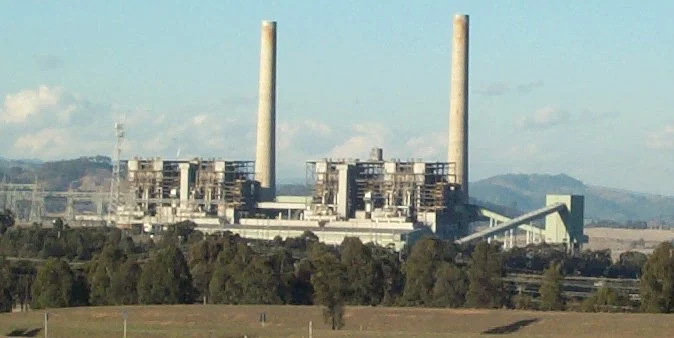
Liddell power station.
There was an important symbolic moment in Australia’s energy transition this week when the Liddell coal-fired power station was demolished after 52 years of operation.
Liddell represented the old energy system: ageing and increasingly unreliable coal infrastructure, surging maintenance costs, breakdowns and political panic around reliability. In 2017, when its owner, AGL, announced plans to pull the plug on Liddell, the Morrison government pressured the company to keep the decrepit power station on life support.
It was a short-sighted move that exposed the government’s contradictory approach to energy and climate policy. Publicly committed to free market principles, it intervened heavily to prop up an ageing coal power station the market no longer considered viable. In doing so, it created uncertainty for investors, threatened to derail the transition already underway and shook investor confidence in renewable energy and storage projects.
More broadly, Liddell became symbolic of a political mindset shaped by nostalgia for the old energy system rather than a serious assessment of where Australia’s energy future was heading. Instead of embracing the opportunity to modernise the grid, strengthen regional economic resilience, improve air quality and accelerate the transition to cleaner and more secure energy, the national debate became trapped in an increasingly outdated defence of coal-fired power.
The irony is that the very system presented as essential for reliability repeatedly failed consumers. Liddell had become increasingly unreliable, with regular shutdowns and breakdowns helping drive price spikes across the National Electricity Market.
Today, the site tells a different story.
Liddell is being transformed into a major clean energy hub, with large-scale battery storage and renewable infrastructure planned for the site. The shift reflects a broader transition underway in Australia’s energy system from centralised, volatile fossil fuel infrastructure and toward a more distributed, flexible and resilient grid.
The timing is significant.
This week, the Australian Energy Regulator announced benchmark power prices would fall for many households and small businesses across New South Wales, Queensland and South Australia. Increasing renewable energy generation and battery storage were major contributors to the reductions.
Renewables are becoming one of the most important tools for reducing price volatility and improving energy security and battery storage has played a particularly important role.
According to the latest market data from Australian Energy Market Operator (AEMO) and the National Electricity Market (NEM), batteries are increasingly absorbing cheap solar power during the day and dispatching electricity during evening peaks, helping stabilise prices and reduce reliance on expensive gas peaking plants. Large-scale batteries are now regularly competing directly with fossil fuel generators in providing grid stability services once dominated by coal and gas.
This shift is happening at a critical geopolitical moment.
The war on Iran has once again exposed the structural fragility of the fossil fuel system. The closure of the Strait of Hormuz has sent shockwaves through global oil and gas markets, driving up fuel prices and increasing concerns about energy security.
This is not a bug, but a feature of the fossil fuel system.
Wars, geopolitical instability and supply disruptions trigger commodity price spikes. Fossil fuel corporations post windfall profits while households and businesses absorb higher transport, electricity and food costs. Dependence on globally traded fossil fuels leaves economies exposed to crises they cannot control.
The lesson is clear: energy security means reducing dependence on fossil fuels.
The countries best insulated from fossil fuel shocks will increasingly be those with high levels of renewable energy, electrified transport systems, large-scale storage, efficient housing and decentralised grids. Every electric vehicle reduces exposure to oil markets. Every battery reduces reliance on expensive gas. Every new renewable energy project weakens the connection between war and household power bills.
But it's not all and doom and gloom at the international level.
Last month, more than 50 countries gathered in Santa Marta to discuss accelerating a global transition away from fossil fuels. That meeting reflected a growing recognition that the transition is about economic resilience, affordability, and security as much as reducting emissions.
Australia is still in the early stages of this transition, and significant political and infrastructure challenges remain. But the demolition of Liddell and the simultaneous decline in power prices driven by renewables and batteries are important indicators.
The myths that have surrounded coal for decades are being shattered in real time. It's clear internationally and in Australia that the fossil fuel system is volatile by design, prone to breakdowns, conflict and price shocks that corporations profit from while households pay the price. The emerging renewable system is proving that cleaner energy is cheaper, more resilient and more secure.