
When future generations meet present-day cuts
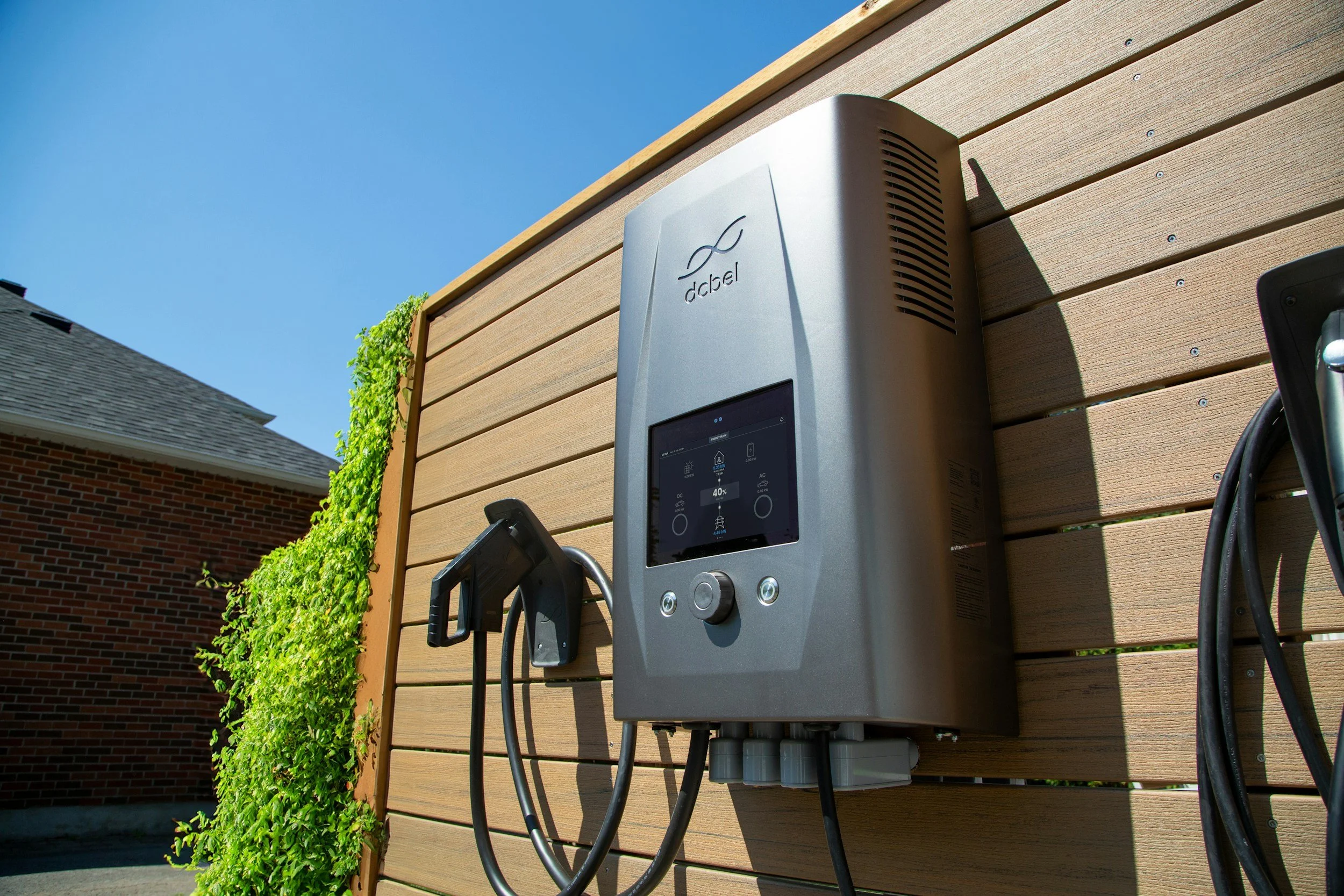
Battery storage device.
Last night’s federal budget was framed around intergenerational equity, with Treasurer Jim Chalmers repeatedly invoking “future generations” while spruiking reforms to negative gearing, capital gains and trusts. Yet at the same time, the government cut more than $1.3 billion from major clean energy programs and wound back investment in climate resilience and adaptation, the very things that will determine whether future generations inherit a safer, cheaper and more secure Australia.
At a time when another fossil fuel crisis is pushing up electricity, fuel and food prices around the world, the budget cuts funding to the Battery Breakthrough Initiative, Solar Sunshot and Hydrogen Headstart, alongside hundreds of millions more from other climate and industrial transition programs.
That matters because Australia is still deeply exposed to volatile global fossil fuel markets. Wars and supply disruptions drive oil and gas prices higher, fossil fuel corporations bank windfall profits and households pay the price through rising electricity bills, transport costs and inflation. Instead of accelerating efforts to reduce that dependence, this budget risks slowing the transition and making it more expensive.
Cheap, decentralised renewable energy is an economic security policy as much as a climate policy. The more Australia relies on renewable energy, electrification and storage, the less exposed households and businesses are to geopolitical shocks and fossil fuel price spikes.
The budget also missed other opportunities to strengthen Australia’s long-term resilience. The $200 million per year Disaster Ready Fund, which helps communities prepare for worsening extreme weather, will end in 2028. There was also no significant new funding for the National Adaptation Plan, despite climate impacts already placing increasing pressure on infrastructure, health systems and local economies.
A budget framed around protecting future generations has weakened investment in the very systems designed to shield Australians from future energy shocks, climate disruption and ecological decline.
There was also a missed opportunity to make the fossil fuel industry pay its fair share to the country whose resources it profits from. The government again refused to tax gas exports fairly, despite mounting evidence that Australians support it. Polling released last month by The Australia Institute found that 72 per cent of voters nationwide support a 25 per cent tax on gas exports.
That reform alone could generate billions of dollars in public revenue each year while helping fund the transition and support households facing rising costs. Instead, the budget leaves significant money on the table while scaling back investment in the industries and infrastructure that will shape Australia’s future prosperity.
To be clear, the reforms to negative gearing, capital gains and trusts are a step in the right direction, but if the government is serious about protecting future generations that approach cannot stop at tax policy. The government must reduce exposure to the crises already driving up costs and destabilising communities. That means accelerating the shift away from fossil fuel dependence, not slowing it down.